Introduction
In a world where animals are greater than just pets; they are family members, understanding their health is necessary. Recognizing Pet dog Distress: Emergency Treatment Tips for Our Hairy Friends serves not only as a guide to assist animal proprietors determine indicators of discomfort and distress in their furry buddies but additionally uses practical emergency treatment tips that can make a globe of distinction throughout emergency situations. Equally as we have Wollongong First Aid certification learned about the starting of St John Ambulance and its function in community health, it's important to apply comparable principles when dealing with our pet dogs' health situations.
As liable animal proprietors, it's important to outfit ourselves with understanding regarding common home things that can be used in a pinch, just how to deal with small injuries on ourselves while staying calm, and different first aid techniques tailored particularly for our cherished animals. Whether it's during the bushfire period or while managing kitchen area blade cuts, understanding exactly how to respond can protect against additional injury and guarantee quick recovery.
This thorough article checks out different facets of acknowledging animal distress, supplying you with critical emergency treatment pointers and understandings right into caring for your furry friends.
Recognizing Family pet Distress: First Aid Tips for Our Hairy Friends
Understanding Animal Behavior
Pets communicate mostly through habits. A wagging tail could show happiness, while unexpected modifications in habits could signify distress. Usual indications consist of:
- Vocalizations: Yawping, barking, or growling might suggest discomfort. Body Language: Tail setting, ear positioning, and pose can show emotional states. Physical Signs: Excessive licking or scraping might recommend allergic reactions or injuries.
Recognizing these habits is the first step towards ensuring your animal's wellness.
The Significance of Very early Intervention
Just like human beings, very early intervention plays an essential duty in your pet dog's health. Acting rapidly when you see indications of distress can stop minor issues from intensifying into significant problems. Recognizing just how to assess your pet dog's problem precisely will enable you to supply timely care.
Common Signs of Distress
- Excessive panting Loss of appetite Changes in shower room habits Isolation from family members members
Essential Family Things for Animal First Aid
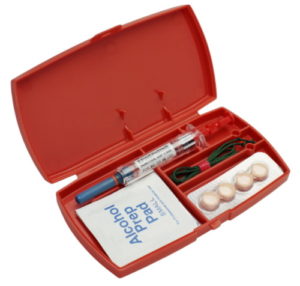
Creating a mobile set full of important home items is an exceptional strategy for any kind of animal proprietor. Below are some must-have items:
Gauze and Bandages: For using stress to wounds. Antiseptic Wipes: To tidy small cuts or scrapes. Tweezers: For getting rid of splinters or ticks. Thermometer: A digital thermometer particularly indicated for family pets helps monitor their temperature. Pet-Safe Pain Relievers: Constantly seek advice from a veterinarian before providing any medication.These things will certainly can be found in convenient throughout emergency situations and day-to-day mishaps alike.
How to Manage Nosebleeds in Pets
If your fuzzy good friend deals with a nosebleed, do not stress! Below's what you must do:
Stay Calmness: Your dog or cat detects your stress. Tilt Head Back: Carefully turn their head back while keeping them calm. Apply Pressure: Usage gauze or a tidy towel to use mild pressure at the base of their nose. Seek Veterinary Aid if Necessary: If bleeding lingers longer than 10 mins, seek expert guidance immediately.Treating Minor Injuries on Yourself While Caring for Pets
Accidents happen-- occasionally also when you're tending to your pets! Right here are some brief loss prevention ideas that may aid:
- Keep pathways free from obstacles. Use non-slip floor coverings in areas where pets often roam.
Should you receive an injury while taking care of your animal (like kitchen area knife cuts), keep in mind to tend to on your own without delay without panicking-- bandage the injury effectively before proceeding with your animal care duties.
Recognizing Symptoms Throughout Bushfire Season
Bushfires position special Wollongong First Aid training details difficulties not simply for human beings but additionally for animals. Smoke breathing can lead to severe respiratory concerns among pets:
Warning Indicators Include:
- Coughing or wheezing Lethargy Irritated eyes
If you notice these symptoms throughout bushfire period, take instant activity by relocating them indoors and getting in touch with a vet if necessary.

Fire Extinguisher Procedure: Maintaining You and Your Family pets Safe
Understanding exactly how to run a fire extinguisher can save lives-- both human and animal alike:
Pull the Pin Aim Low Squeeze the Handle Sweep Side to SideKeep fire extinguishers available throughout your home so you're prepared in situation of emergencies including both people and pets.
First Aid Recognition Campaigns: Informing Ourselves
First aid understanding projects play an essential role in educating areas concerning precaution in the house-- particularly regarding our furry close friends' wellness needs.
Key Factors Include:
- Understanding fundamental first aid techniques. Knowing when to seek specialist vet care.
By taking part in these projects, we not just equip ourselves yet also contribute favorably towards neighborhood health initiatives targeted at improving general security standards within our neighborhoods.
FAQs Concerning Animal Distress and First Aid
FAQ 1: What should I do if my family pet is injured?
Answer: Assess the injury first; if it's small like a cut, tidy it gently with antibacterial wipes prior to using bandages. For serious injuries like fractures or heavy blood loss, seek veterinary help immediately.
FAQ 2: Just how can I tell if my pet cat is distressed?
Answer: Pet cats reveal distress with changes in behavior such as concealing away, too much pet grooming, anorexia nervosa, or articulations like yowling or growling.
FAQ 3: Is it safe to utilize human medications on pets?
Answer: No! Numerous human medications are poisonous to animals; constantly consult with a veterinarian prior to administering any kind of medicine intended for humans.
FAQ 4: What are common signs my pet dog may be overheating?
Answer: Signs consist of excessive panting, drooling excessively, sleepiness, vomiting or looseness of the bowels; relocate them inside your home immediately if you presume overheating!
FAQ 5: Just how usually should I inspect my animal's first aid kit?
Answer: It's recommended to review your pet dog's first aid kit every six months-- ensure all things are intact and within expiration dates!
FAQ 6: Can emphasize affect my pet's physical health?
Answer: Absolutely! Similar to humans experience stress-related health problems; animals also can experience anxiousness leading potentially significant wellness issues such as stomach troubles or autoimmune illness over time.
Conclusion
In recap, recognizing how to acknowledge signs of distress is extremely important for every single liable pet dog proprietor taking care of their fuzzy pals' health properly-- as detailed throughout this short article titled "Recognizing Animal Distress: First Aid Tips for Our Furry Pals." From understanding what products belong in an emergency set all the way down through fundamental therapy methods tailored especially in the direction of critters tiny sufficient that they might suit our arms yet large sufficient they catch our hearts-- it's clear there's much ground covered here!
It does not stop right here though; recurring education and learning regarding animal wellness techniques stays key! By getting involved actively within community health campaigns along with fellow lovers-of-paws around us we'll not only foster far better understanding in between types but produce safer atmospheres where every person grew thrive together!
By acknowledging prospective risks at an early stage paired with audio understanding about supplying efficient treatments whenever needed-- we make certain better much healthier lives shared in between people & & their precious friends alike!